
Karine Cosgrove, Lisa Budgen, Amanda White | ASCILITE Executive Members
Preparing a conference submission can feel overwhelming, particularly if it is your first time or if you are unsure how reviewers assess quality and relevance. To help prospective authors prepare for ASCILITE 2026, we sat down with Richard McInnes, Manager, Educational Design at the University of Adelaide, to hear directly from someone who reads a lot of submissions and genuinely enjoys the process.
Richard is an experienced ASCILITE reviewer and a thoughtful and generous colleague. In our conversation, he shared practical advice, reviewer perspectives, and some reassuring reminders for anyone thinking about submitting this year.
Start with clarity and readability
One of Richard’s strongest messages was simple but powerful. Make it easy for the reviewer to understand your work. Reviewers come from diverse backgrounds and may not know your institutional context or project history. Clear structure, plain language, and signposting make a huge difference.
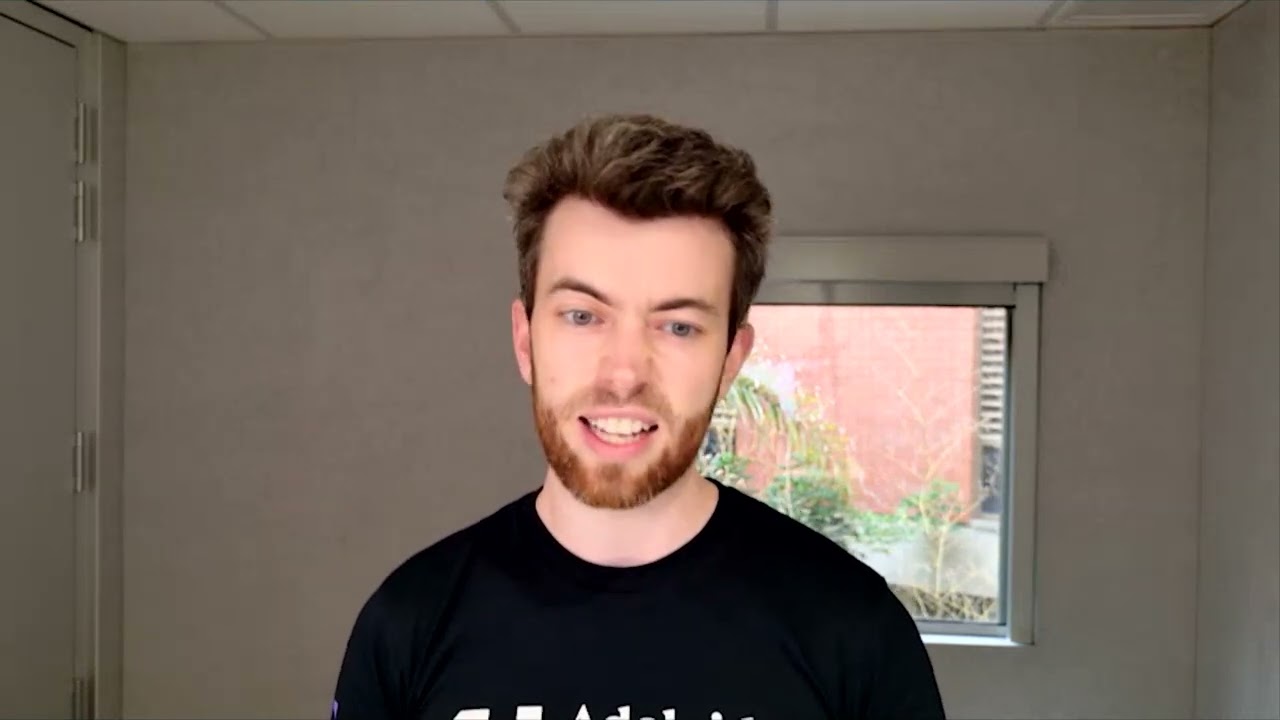
As Richard explains in the clip below, reviewers form early impressions quickly, and clarity sets the tone for everything that follows.
Be clear about your contribution
Another key insight from Richard is that strong submissions clearly explain why the work matters. Reviewers are always asking what this adds to the learning and teaching conversation. That contribution might be a new perspective, practical lessons, or something others can adapt to their own context.
Importantly, Richard emphasised that scale is not the deciding factor. Small or local projects can still be compelling when their relevance is clearly articulated.

Choose a format that fits your work
Richard was particularly enthusiastic when talking about submission formats. Full papers are only one option, and they are not always the best fit. Posters and Pecha Kuchas are excellent ways to share emerging ideas, practical innovations, or work in progress.
Key tip from Richard. Posters are a great way to network and get feedback on your work. They often spark rich conversations and are an approachable entry point for first time presenters.

Engage with relevant literature
Across all submission types, Richard highlighted the importance of engaging with contemporary literature. This does not mean extensive referencing, but it does mean showing awareness of current thinking in the field. His hot tip for authors is to look at previous ASCILITE conference proceedings as a practical and relevant starting point.
Be realistic and avoid common pitfalls
Richard also shared some common issues he sees as a reviewer. One is assuming the reviewer can read your mind. If your context, acronyms, or project background live mostly in your head, they probably need a bit more explaining on the page. Another is getting a little too enthusiastic with claims. Big ideas are welcome, but reviewers want to see a clear connection between what you did and what you are saying it shows. Even shorter formats benefit from clear purpose, good structure, and a strong sense of why the work matters to others.
Final thoughts from Richard
Richard closed our conversation with encouragement. He reminded us and potential authors that the review process is developmental and that ASCILITE reviewers aim to provide constructive feedback. His message is a reassuring one. Start where you are, submit your work, and join the conversation. ASCILITE values diverse voices, and your experience matters.
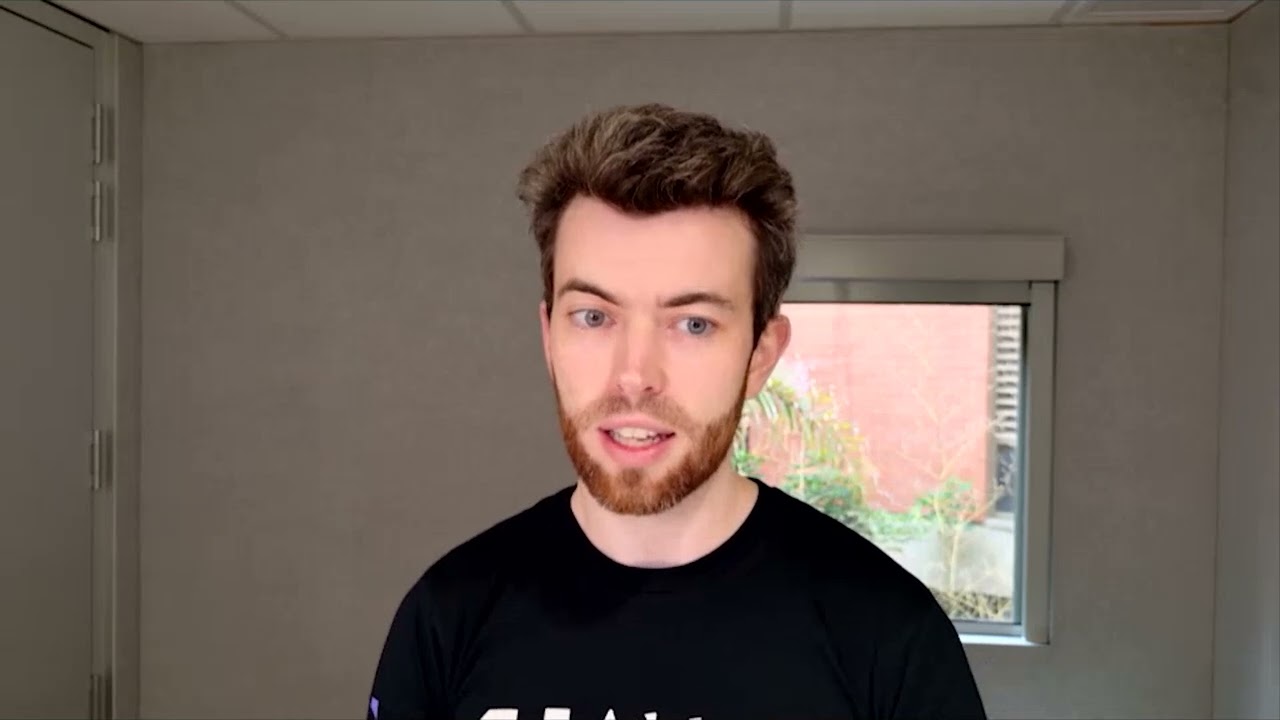
You can hear what Richard hopes to see in this year’s submissions in the final clip below.

If there is one final takeaway, it is this: take the leap, get writing, share your ideas with the community, and good luck with your ASCILITE 2026 submission.
We’d like to extend our sincere thanks to Richard for his thoughtful insights, his generosity in sharing them, and his ongoing dedication as a reviewer and ASCILITE community.